Two Player
Two-Player Games on One Keyboard
Jul 27, 20265 min read
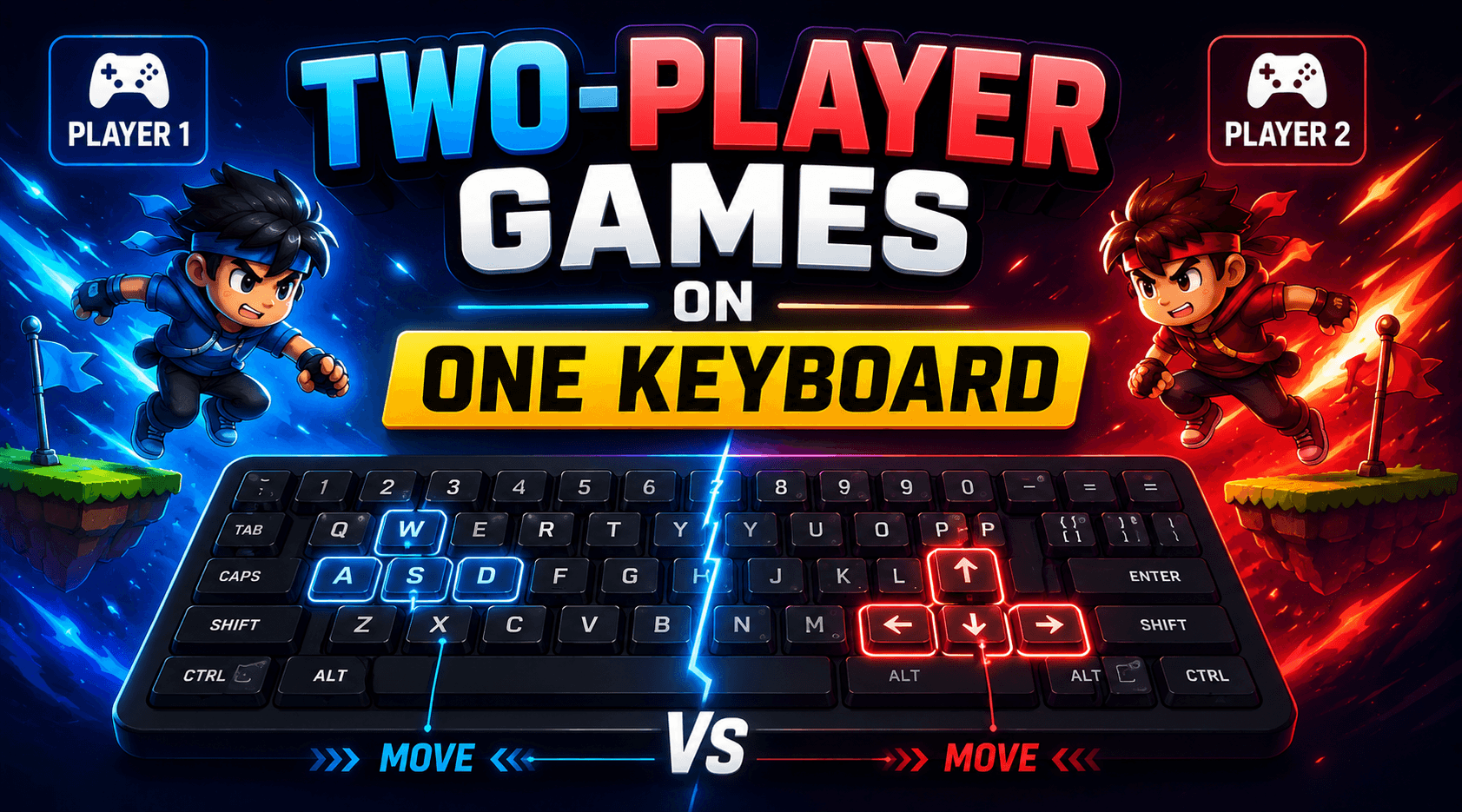
No second controller, no setup, no accounts — how same-keyboard multiplayer works, which games suit it, and why keys sometimes stop responding.
The oldest multiplayer, and still one of the best
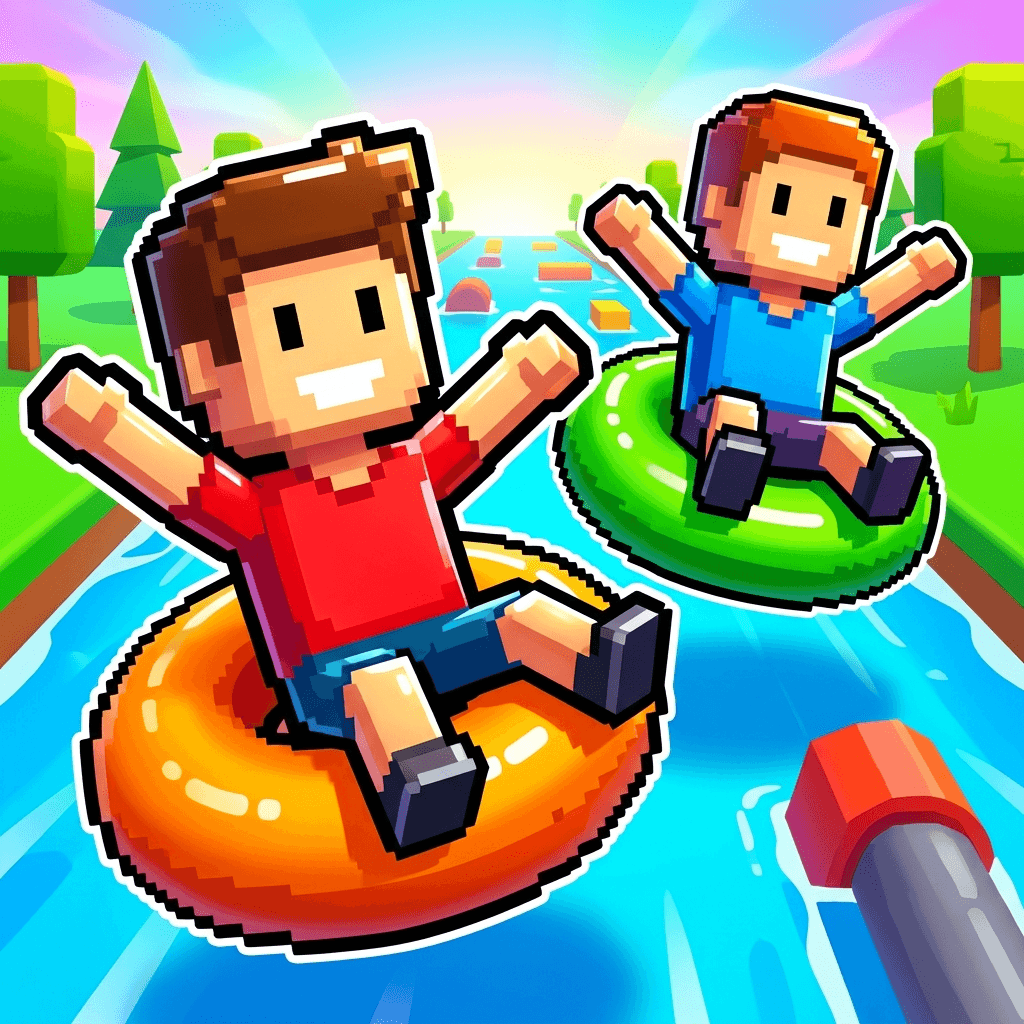
Same-screen, same-keyboard play predates online gaming entirely and remains one of the most enjoyable ways to compete, largely because the barrier is absurdly low. Two people, one laptop, about ten seconds — no console to boot, no controller to hunt for, no account to create, no lobby to wait in. The immediacy is the whole appeal: the gap between deciding to play against someone and actually doing it is shorter than any other format manages.
How the keyboard shapes the games
The design constraint here is the keyboard itself. Each player gets a small cluster of keys — usually the arrows on one side and WASD on the other — which means the control scheme has to work with two or three inputs per player. That limitation pushes designers toward games about timing and positioning rather than complexity, and those happen to be exactly the qualities that make a good party game. It's a constraint that improved the genre rather than restricting it.
Short rounds and possible comebacks
The games that work are the ones where a round is quick and a comeback is plausible. Sports, fighting games, physics-driven party games and simple racing all qualify. What doesn't work is anything requiring long stretches of individual attention, because the second player ends up watching — and a two-player game where one person is spectating has failed at the only job it had. Three short matches produce far more rivalry than one long one.
When keys stop responding
Most keyboards can only register a limited number of simultaneous key presses, so with two players holding several keys each, an input can silently vanish at the worst possible moment. It looks exactly like the game ignoring you, and it's genuinely a hardware limit rather than a bug. If it becomes a problem, swapping which player uses which cluster usually fixes it, because the limitation affects some key combinations far more than others.
Find a two-player game on PokiPix
Plenty of games across the Sports, Action and Racing categories support two players on one keyboard, all free and loading instantly in your browser. Agree your key clusters before you start, keep the matches short, and pick something physics-driven if one of you is clearly better — chaos is the most effective handicap ever invented.