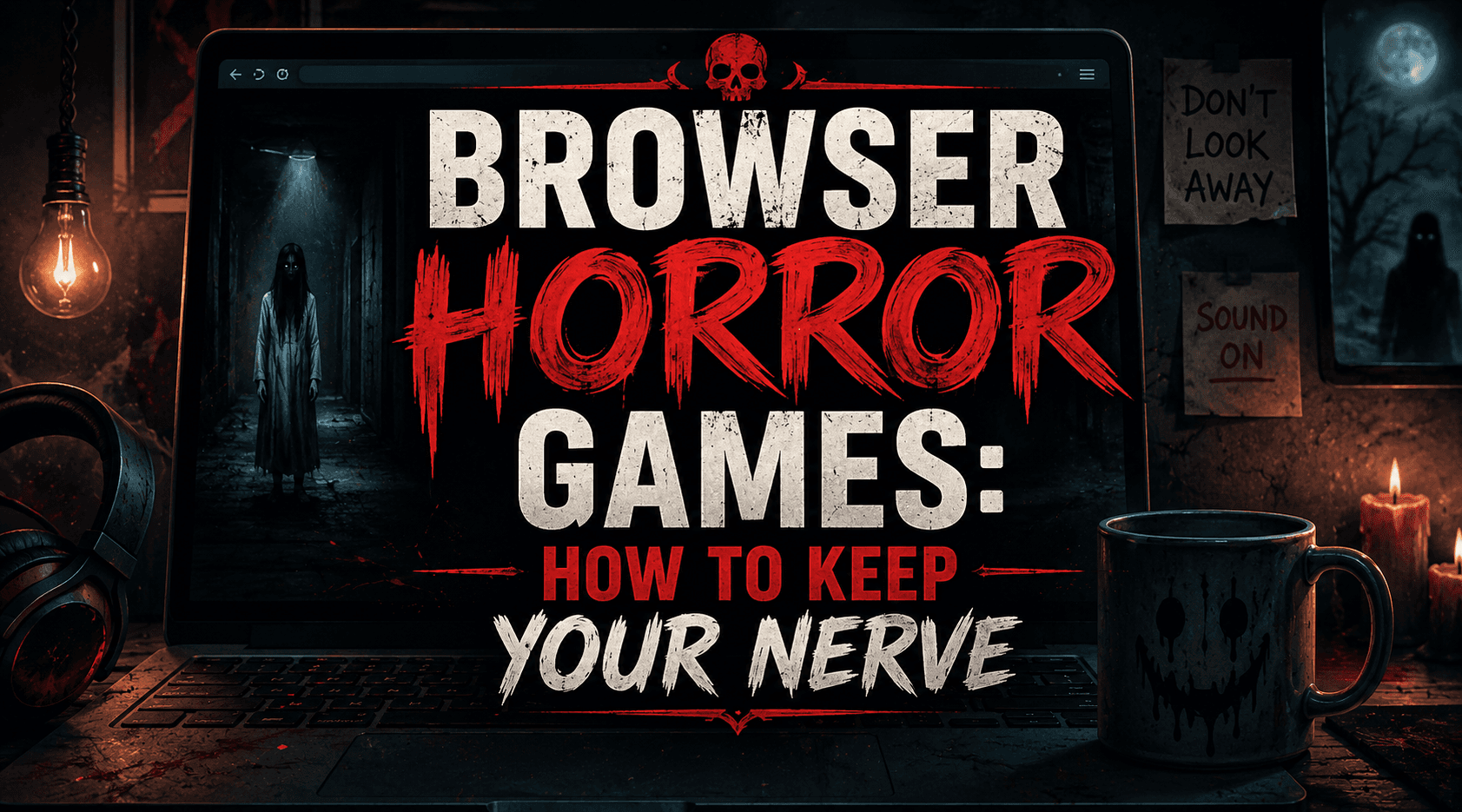
Why panic ends more runs than monsters do, and how sound, route knowledge and deliberate movement keep you alive.
Panic is what actually kills you
Horror games are designed to provoke a specific set of mistakes, and they get them out of almost everyone: sprinting into unexplored space, burning a resource at the first fright, abandoning the route you'd carefully planned. The threat itself is rarely what ends a run — your reaction to it is. Learning to notice your own panic response and pause for a single second before acting is a genuine survival skill, and it's the difference between players who finish these games and players who don't.
Sound is your early warning system
Horror leans on audio more heavily than any other genre, and that's as much a gift to you as a weapon against you. Most threats announce themselves before they're visible — a footstep, a shift in the music, a noise from a direction you weren't watching. Playing with headphones isn't just about immersion; it's the difference between reacting to danger and discovering it. If you're struggling with a section, try closing your eyes for a moment and listening to what the game is telling you.
Learn the layout on a run you're happy to lose
Almost all fear in these games comes from uncertainty, and the fastest way to reduce uncertainty is to explore a space on an attempt you've already written off. Once you know the layout, the experience shifts from being afraid of what might be around the corner to the much more manageable problem of whether you can reach the door in time. Map knowledge is worth more than any resource the game gives you.
Move deliberately, and plan your exit
Sprinting feels like the right answer to danger and is usually precisely wrong — it's louder, it removes your ability to observe, and it commits you to a direction you may not want. Moving deliberately keeps your options open. The same applies to entering new spaces: knowing how you'd get out before you need to is the habit that survives contact with a jump scare, when everything else you'd planned tends to evaporate.
Test your nerve on PokiPix
The Horror category is full of free browser scares that need nothing installed — dim the lights, put your headphones on, and see how long you last. Sessions are short by design, so it's easy to step away when your nerves have had enough. If you're playing with someone watching over your shoulder, it's better still.
Play Horror Games
View MoreNew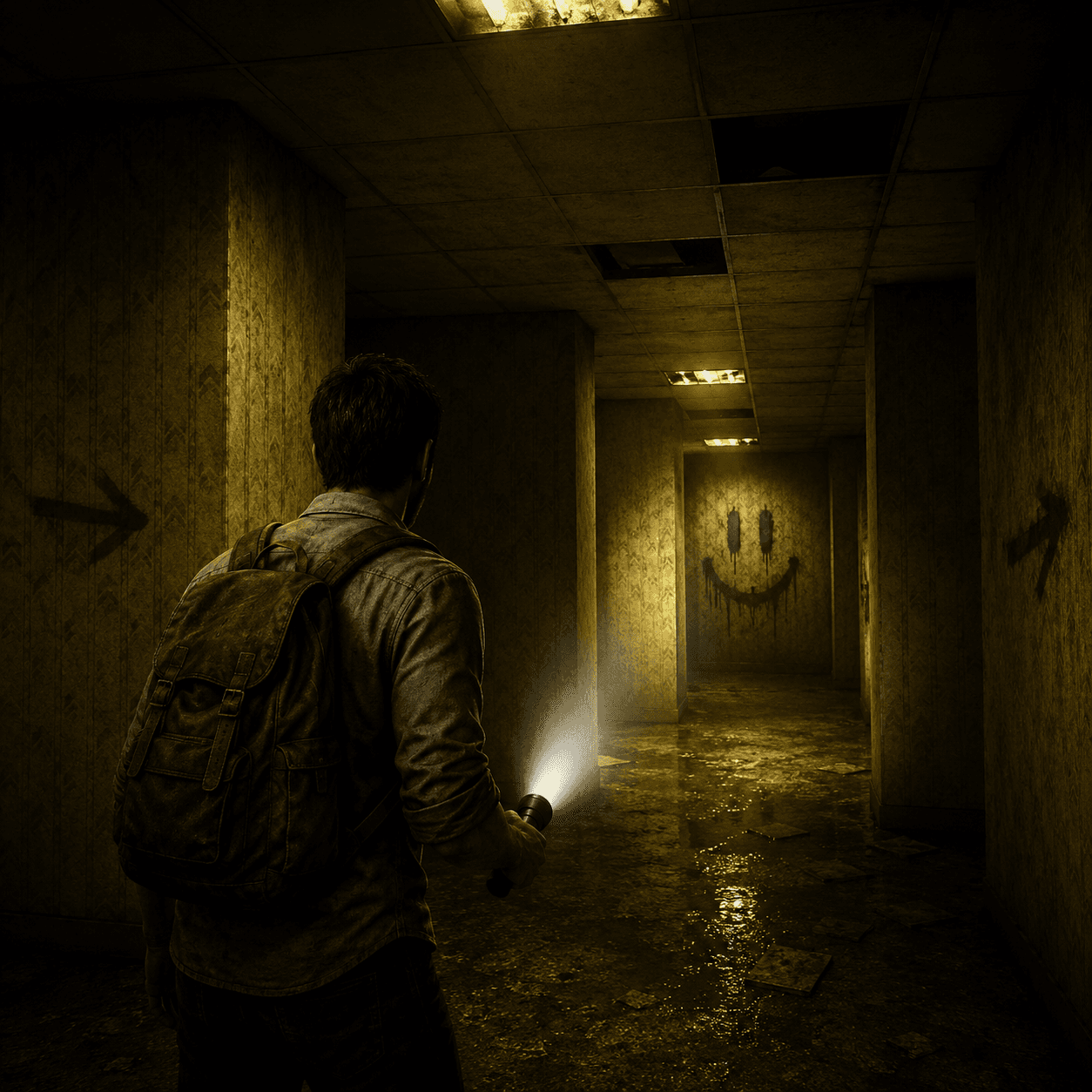 New
New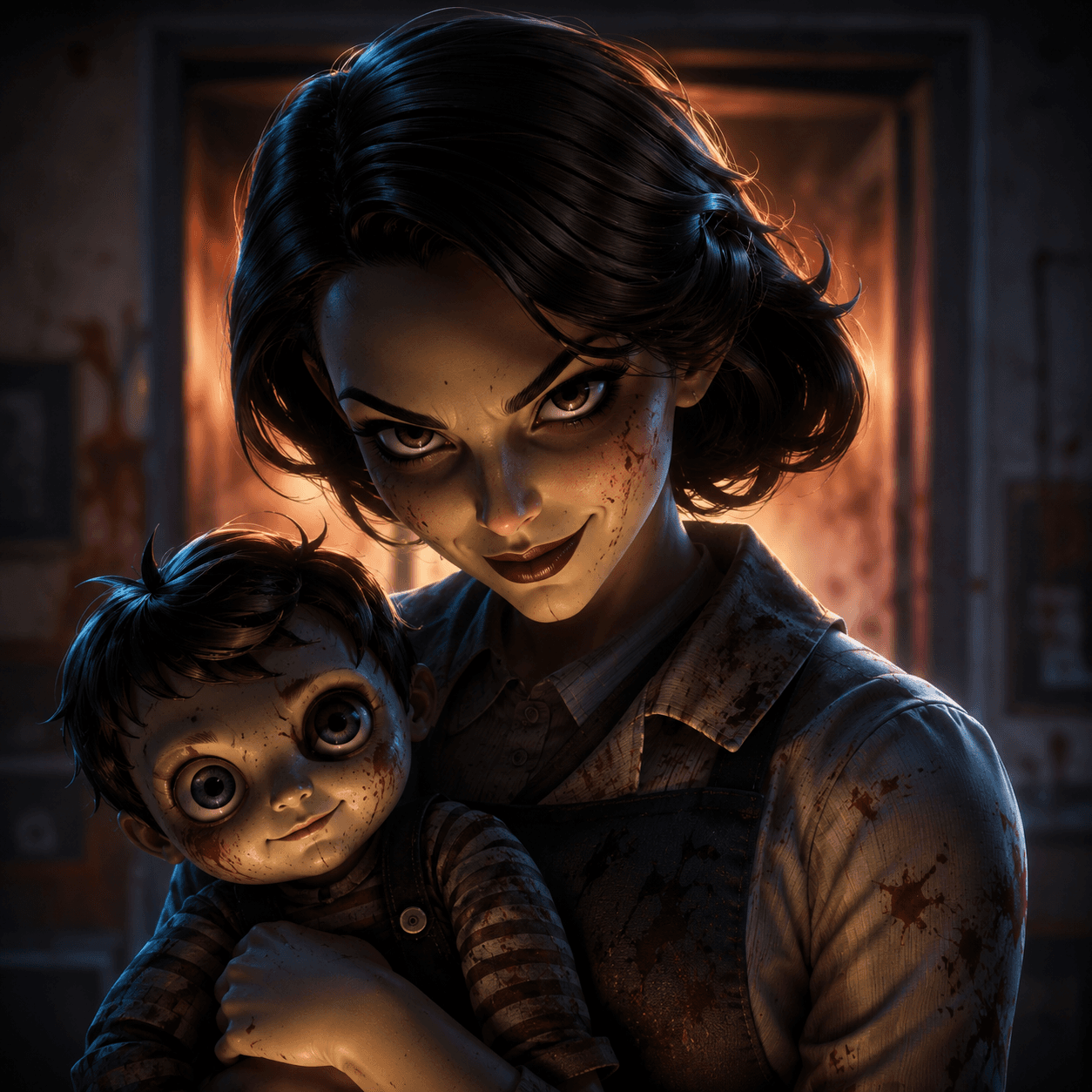
 Trending
 Trending
 Trending
 New
New
Play Now
Backrooms
Play Now
Bad Parenting
Play Now
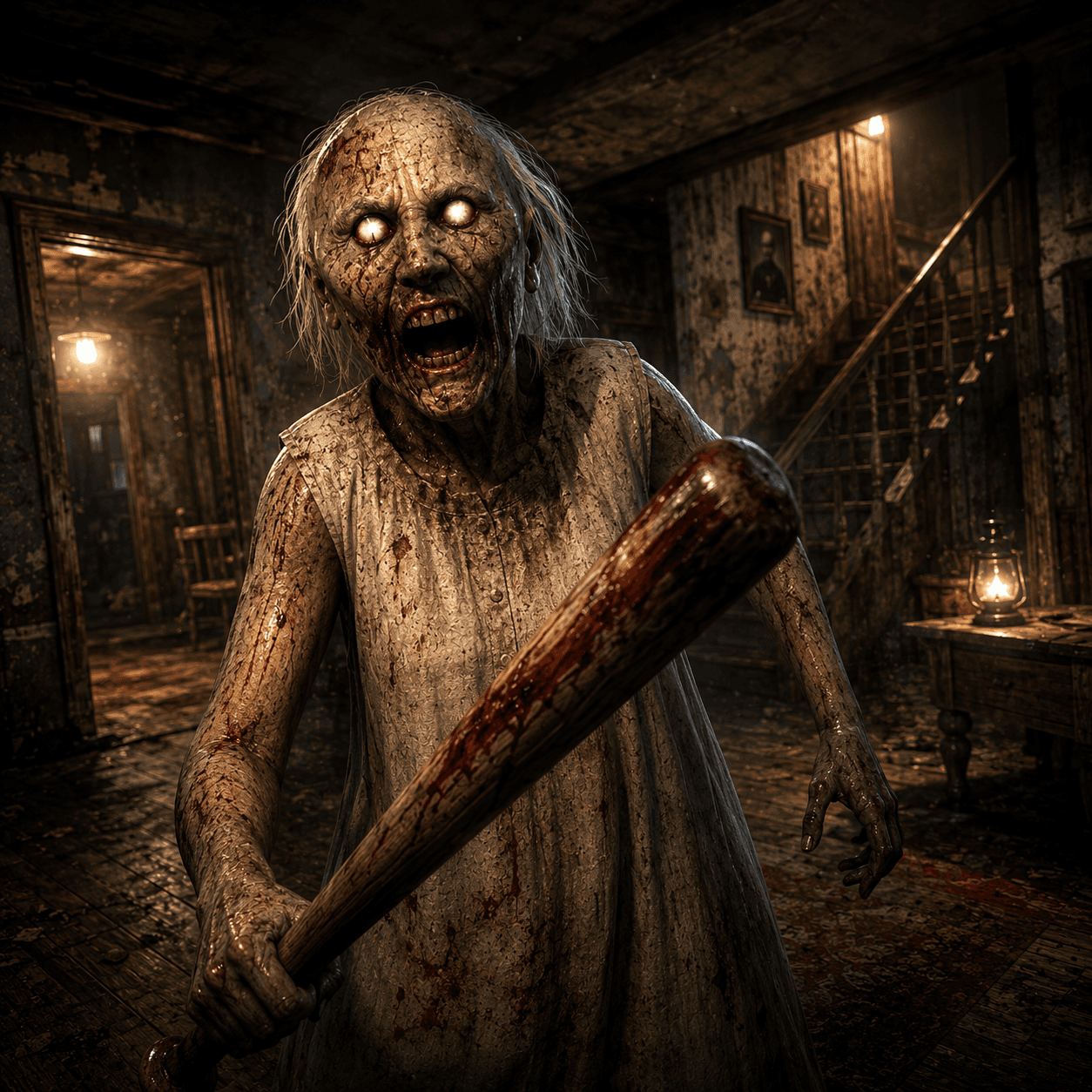
Granny
Play Now
Five Nights at Freddy's
Play Now
Granny 2
Play Now
Picos School
Play Now
Evil Glitch
Play Now
Five Nights at Freddy's 2
Play Now
Five Nights at Freddy's 3
Play Now
Five Nights at Freddy's 4
Play Now
Baldis Basics
Play Now
Melon Playground